
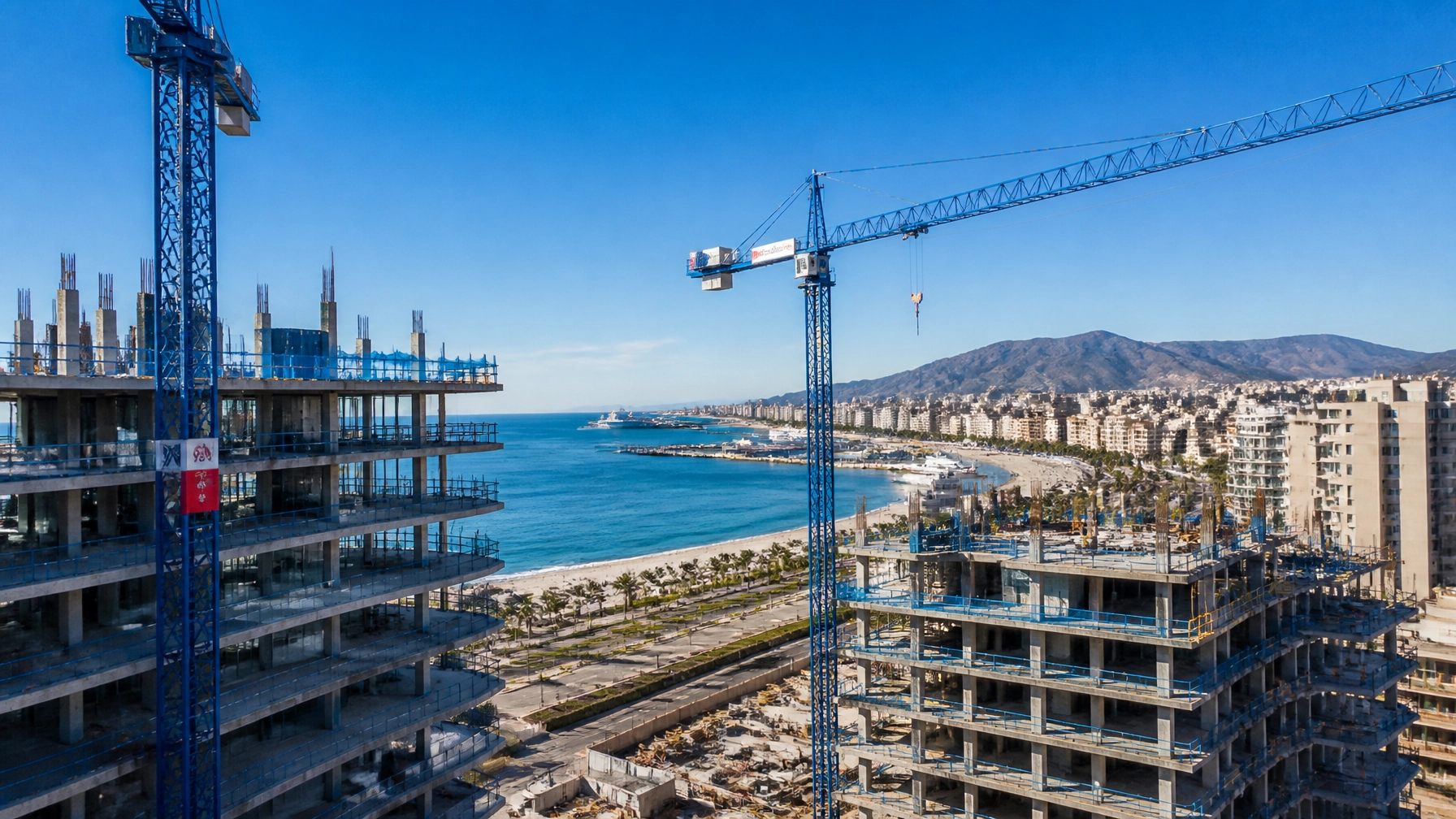
Stop checking the news for a "Spanish property bubble" to burst. It isn't happening.
If you have spent the last six months waiting for a dramatic price correction in Spain, the latest data for 2026 and 2027 carries a blunt message: you might be waiting a very long time. While some markets are "cooling" in the sense that they are no longer growing at breakneck speed, they are still growing.
The numbers are in, and they don't point toward a crash. They point toward a structural shortage that is making "now" the best time to buy before the next leg up.
The 600,000-Home Hole
Forget speculation and irrational exuberance. The primary driver of Spain's rising property prices is basic math. Spain is simply not building enough places for people to live.
- Massive Under-supply. Analysts estimate that Spain is currently short roughly 600,000 homes nationwide.
- Slow Construction. The country approves approximately 140,000 to 150,000 new homes annually, but demand from new households alone sits at 180,000.
- Foreign Demand. Add another 50,000 purchases per year from non-residents, and you have a recipe for permanent upward pressure.
This isn't a problem that clears up with a single busy construction season. It is a decade-long deficit that keeps the floor under property values. If you are waiting for prices to drop while the inventory continues to shrink, you are fighting the laws of physics.
Understanding the "Slowdown" Myth
You will likely see headlines about a "slowdown" in the Spanish market through 2027. Read the fine print. A slowdown in growth is not a drop in price.
Forecasts from major institutions like CaixaBank and S&P Global suggest that while the 12.8% spikes of late 2025 are moderating, we are still looking at roughly 10% growth in 2026 and another 5.5% in 2027.
When an asset grows by 10% and then "slows" to 5.5%, it is still becoming significantly more expensive. By 2027, that villa you liked in 2025 could cost you 15% more than it does today.
Why Interest Rates are Fueling the Fire
Paradoxically, the "good news" for your monthly mortgage payment is "bad news" for the purchase price. The Euribor — the benchmark that dictates Spanish mortgage costs — is easing.
As borrowing becomes cheaper, more buyers jump back into the pool. This increased competition for that limited pool of 600,000 missing homes keeps prices moving upward.
- Lock in rates now. Residents are seeing fixed rates around 2.0%–2.5%, while non-residents can secure roughly 2.8%–3.5%.
- Avoid the rush. Cheaper money brings out the crowds. Buying before the next major rate cut can help you avoid a bidding war.

Regional Hotspots: Where the Heat is Real
Spain isn't one single market: it is a collection of micro-climates. While inland provinces might see steady, quiet growth, the coastal "lifestyle" destinations are operating on a different planet.
- Málaga and the Costa del Sol. This region continues to lead the pack, driven by a massive influx of tech workers and international investors.
- Valencia and Alicante. These cities offer a balance of affordability and infrastructure that is attracting digital nomads at record rates.
- The Balearic Islands. Supply here is physically limited by the ocean, ensuring that prices remain resilient even during global economic wobbles.
- Madrid. The capital remains the engine of the national economy, with demand for luxury rentals and primary residences showing no signs of flagging.
The Foreign Buyer Advantage
One of the most common questions we hear is: "Do I need to be a resident to buy?" The short answer is no. Spain remains one of the most open markets in Europe for international investors.
You can legally purchase property as a non-resident, whether you intend to use it as a vacation home or as a buy-to-let aimed at short-term holiday makers. However, while buying is relatively straightforward, running that investment successfully takes more planning than many first-time BTL buyers expect.
Residency status affects your tax obligations and financing options, but it doesn't stop you from owning a piece of the Mediterranean. What matters is understanding the local rules before you commit — especially if your returns depend on holiday rental income.

Protecting Your Asset: The Compliance Catch
If you are investing in a high-growth market like Málaga or Alicante, you aren't just buying a building: you are buying a business asset. In 2026, the biggest threat to your ROI isn't a market crash; it's a government fine for non-compliance.
Spanish authorities have tightened the screws on holiday rentals. To protect your investment, you must stay ahead of two major requirements:
- The NRA (Número de Registro de Alquiler). This unique property code is now mandatory for all short-term lets. Without it, you are effectively operating an illegal hotel. You can start your NRA application here to ensure your property remains visible on booking platforms.
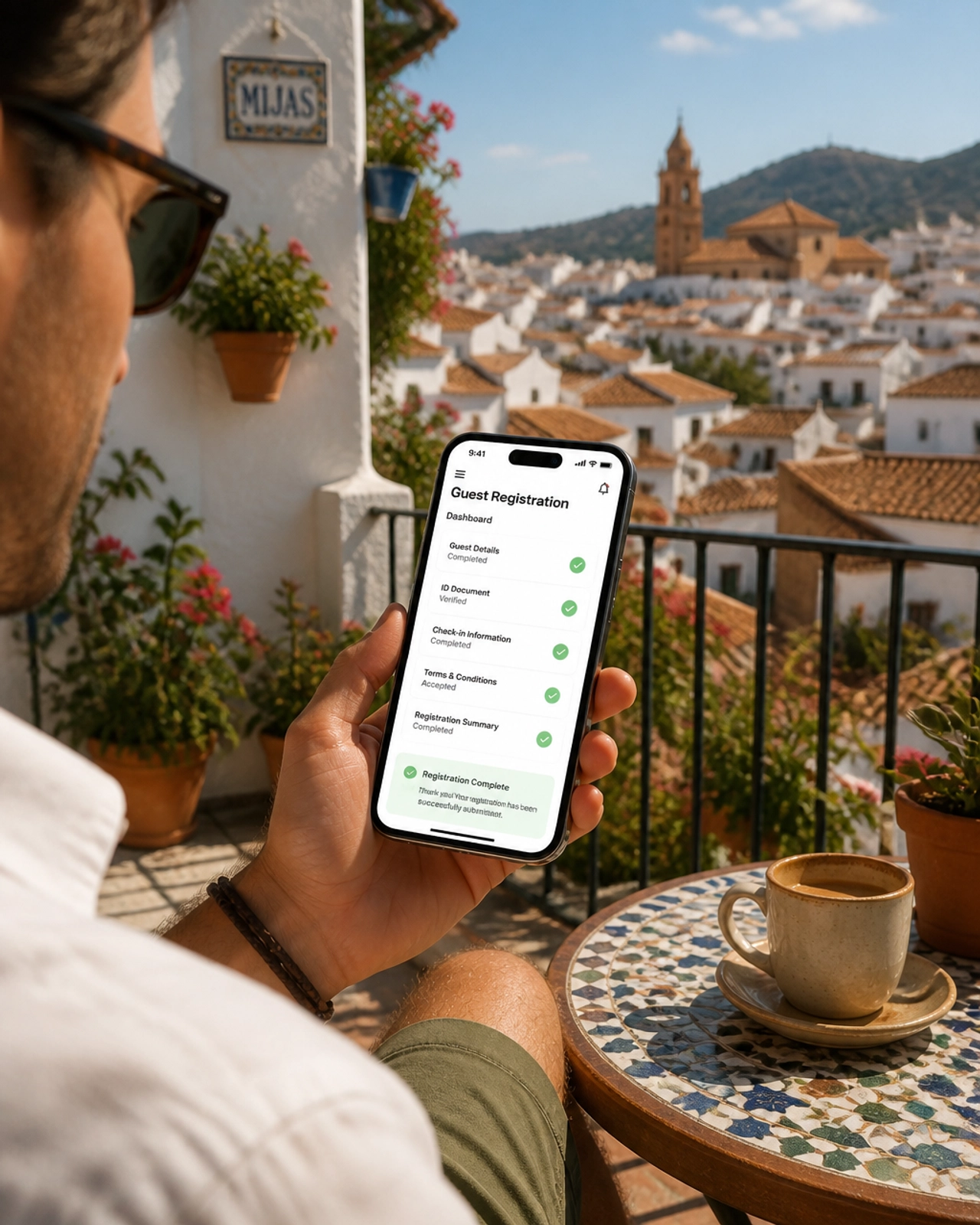
- SES Hospedajes. This is the digital platform for mandatory guest registration. Failing to submit guest data within 24 hours of arrival can lead to eye-watering penalties.
Managing these yourself is a recipe for a headache. Our fully managed compliance services handle the paperwork, the digital certificates, and the midnight data submissions so you can focus on your capital gains.
Action Steps for 2026 Buyers
If you are ready to stop waiting and start buying, follow this checklist to ensure you don't get caught out by the "hidden" side of Spanish real estate — especially if your plan is to buy to let to short-term holiday makers:
- Calculate the "true" cost. Remember that taxes, notary fees, legal costs, furnishing, and setup expenses will add far more than the headline purchase price. Use our cost calculator to build a realistic budget.
- Check local rental viability early. Before you buy, confirm whether the area, community rules, and property type suit short-term holiday letting. This helps you avoid buying an asset that looks good on paper but is difficult to operate legally.
- Secure your Digital Certificate. You will need a Spanish digital certificate to interact with the tax office and handle property registrations remotely.
- Prioritize location over "bargains." In a market driven by shortage, "cheap" often means "un-rentable." Stick to high-demand areas with proven infrastructure and clear holiday rental demand.
- Plan compliance before launch. Don't wait until your first booking to think about the NRA, guest registration, and local operating rules. Putting the compliance side in place early will save time and help protect your expected yield.
Don't Wait for the Bubble
The "bubble" is the most expensive myth in real estate. While you wait for a crash that the data doesn't support, the structural shortage continues to push prices higher.
Spain's property market in 2026 is robust, underpinned by real demand and a genuine lack of supply. It is a market that rewards those who take action and punishes those who hesitate.
If you are thinking about a Spanish BTL for short-term holiday lets, the key is not just buying well — it is understanding the practical and compliance issues before you jump in.
Thinking about your next move? Talk to Villa Check In about the key points to consider before you buy — from rental compliance and guest registration to digital certificates and setup requirements. We can help you understand what to check early so you can move forward with clarity.