
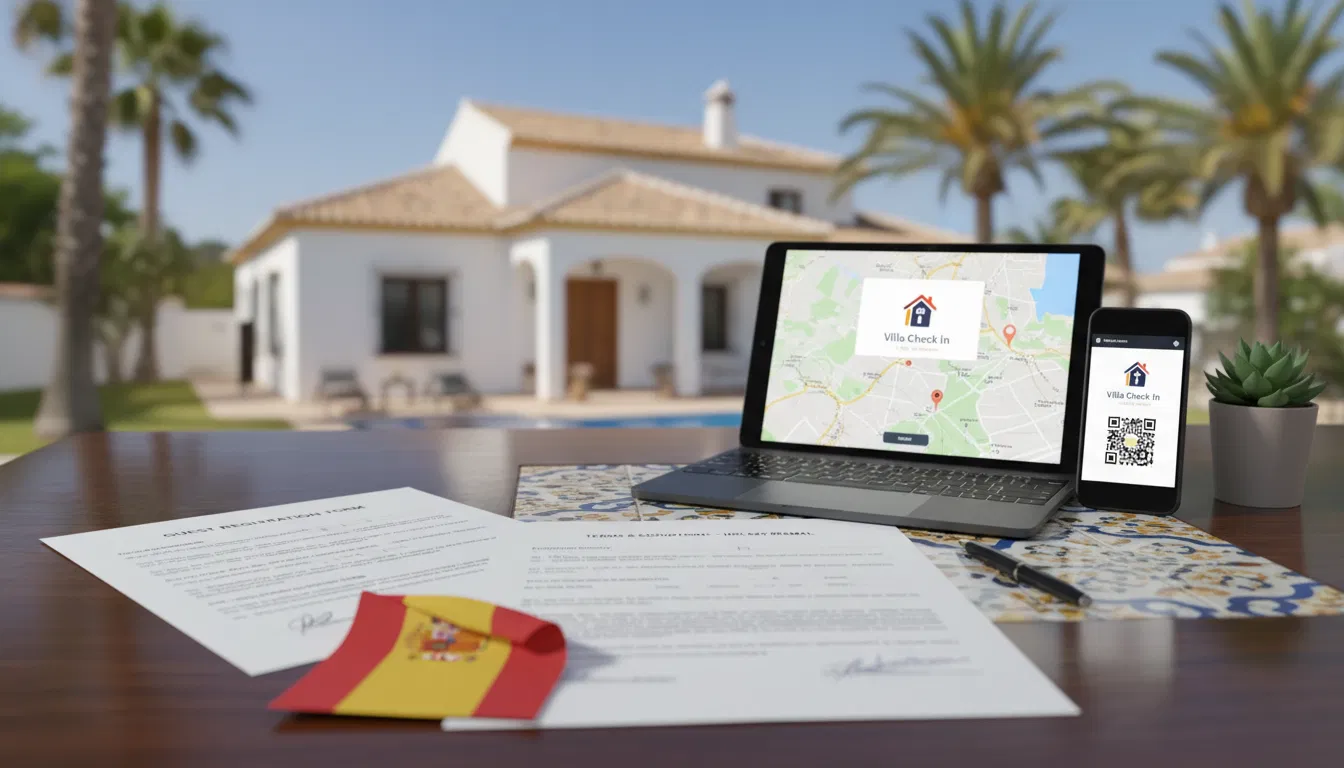
It is a common scenario for many villa owners in Spain: a cousin wants to use the property for a week in June, or a close friend from home asks for a "mates' rate" (free) stay during the off-season. You hand over the keys, feel like a generous host, and think nothing more of it. After all, they aren't "tourists" in the traditional sense; they are family.
This logic is a dangerous myth.
In the eyes of Spanish law: specifically Royal Decree 933/2021: the price paid for a stay is irrelevant. What matters is the activity of the property and the presence of the owner. If you operate a licensed holiday rental and you are not physically staying in the property alongside your guests, those guests must be registered with SES Hospedajes. There are no exceptions for blood relations, childhood friendships, or zero-euro bookings.
The Misconception of the 'Private' Stay
Many owners believe that if money does not change hands, the stay is a private matter. They assume that guest registration is a tax-compliance tool rather than a public safety requirement. This is the first hurdle in understanding Spanish compliance: registration is primarily about national security and the tracking of movements within the country.
When you obtain a tourist license for your property, you essentially categorize it as a lodging establishment. From that moment on, every person who sleeps in that property under a "lodging activity" must be identified. The authorities do not differentiate between a paying guest from a booking platform and your brother-in-law: if they are using the property while you are elsewhere, they are travelers.
Decoding Royal Decree 933/2021
The legislation is remarkably clear, yet often misinterpreted. Royal Decree 933/2021 governs the registration of travelers and the communication of data by physical or legal persons who carry out accommodation activities. To stay compliant, you must understand the two primary factors that trigger the registration requirement.
The 'Owner Present' Rule
The most critical distinction is whether you, the owner, are residing in the property at the same time as your guests.
- Owner Present: If you are hosting friends in your primary or secondary residence while you are also living there, this is considered private hospitality. In this specific case, you are not acting as a "lodging provider," and registration is generally not required.
- Owner Absent: If you provide your property to someone else while you are not there: regardless of whether it is a gift or a commercial transaction: this falls under the scope of the Decree. Because the property is registered as a tourist accommodation, any use of it by third parties is viewed as an extension of that activity.
Why 'Free' Does Not Mean 'Exempt'
The law focuses on the provision of accommodation, not the payment for accommodation. When your friend stays in your licensed villa, they are utilizing a registered tourist resource. The authorities require a record of who is in that property at all times to ensure that "ghost stays" cannot be used to circumvent security protocols.
If a surprise inspection occurs or a local incident requires a police check, and your guests are not registered in the SES Hospedajes system, the "they're just friends" defense will not hold up.

The High Cost of a 'Favor'
The risks associated with ignoring these rules are significant. The Spanish Ministry of the Interior has implemented a strict sliding scale of penalties for non-compliance. Failing to register a guest: even a non-paying one: is categorized as a serious infringement.
- Minor Infringements: These typically involve clerical errors or late submissions (beyond the 24-hour window). Fines range from €100 to €600.
- Serious Infringements: Failing to register a guest entirely or failing to keep the required digital records for three years falls into this category. Fines start at €601 and can reach €30,000.
- Reputational Risk: Frequent non-compliance can lead to the suspension of your tourist license: effectively shutting down your business.
The financial impact of a single €2,000 fine for failing to register a friend is a high price to pay for a "free" stay. It creates a false economy where the time saved by skipping the paperwork is dwarfed by the potential legal costs.

Essential Data Requirements
Under the current regulations, you cannot simply tell the police that "Juan is staying." You are required to collect and submit 17 specific data points for every traveler over the age of 14. This includes:
- Personal Identification: Full name, gender, nationality, and date of birth.
- Document Details: Passport or DNI number, type of document, and document expiration.
- Contact Information: Permanent address, mobile phone number, and email address.
- Stay Details: The date of arrival, the duration of the stay, and the relationship between travelers (essential for groups with minors).
All guests over the age of 14 must sign the registration form. These records must then be transmitted to the SES Hospedajes platform within 24 hours of the guest's arrival.
How to Protect Your Property and Your License
Managing compliance for friends and family doesn't have to be a logistical nightmare. The goal is to standardize the process so that every guest: paying or otherwise: follows the same protocol.
- Set Clear Expectations: Inform your friends and family from the start that because the property has a tourist license, you are legally obligated to register them. Explain that this is a police requirement in Spain, much like checking into a hotel.
- Use a Digital Registration Link: Avoid the awkwardness of asking for passport photos over WhatsApp. Provide a secure, professional link where they can enter their own data.
- Automate the Submission: Ensure the data is sent directly to SES Hospedajes without you having to manually log into government portals for every "favor" stay.
- Maintain Your Records: Keep a digital log of all registrations for at least three years: as required by law: to ensure you are prepared for any future audit.
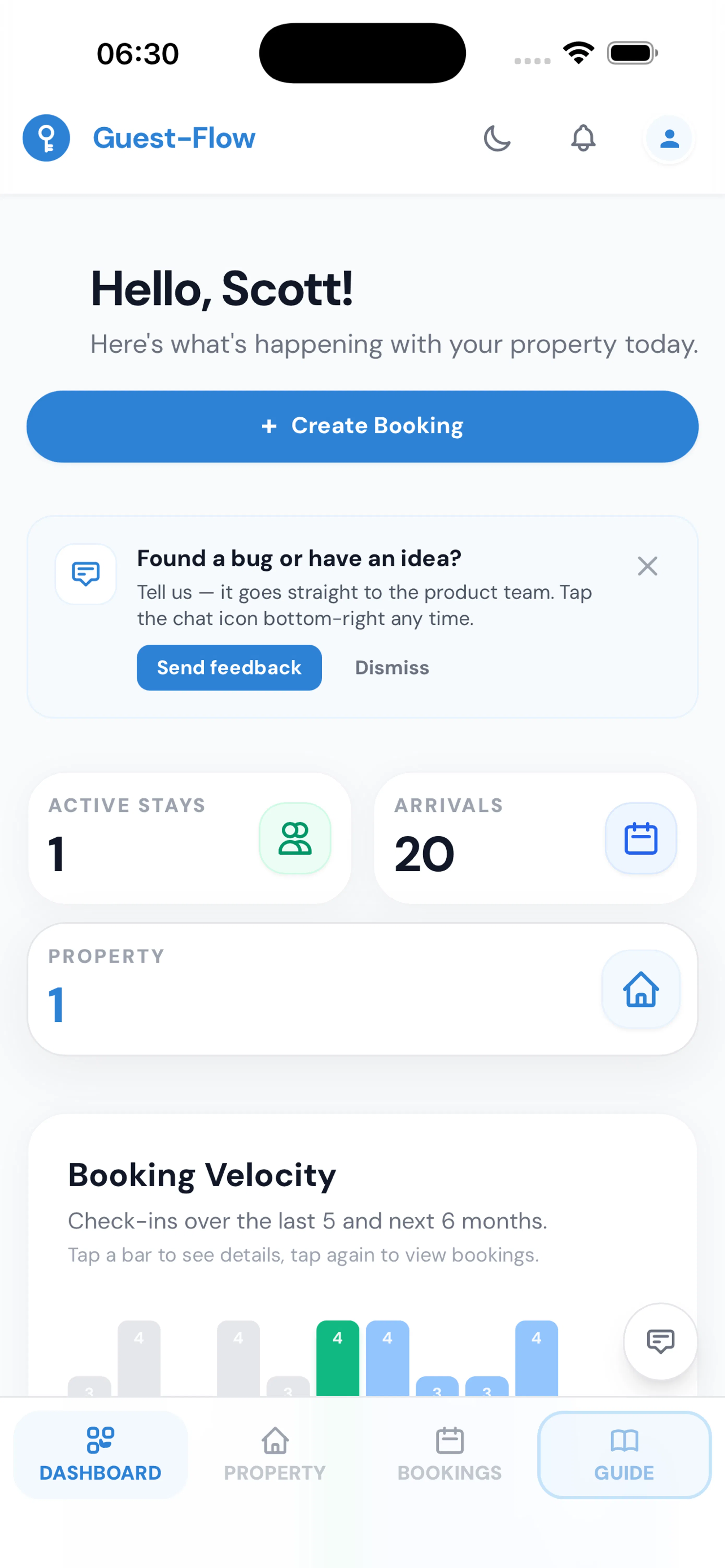
Streamlining the Process with Villa Check In
At Villa Check In, we specialize in removing the friction from Spanish property compliance. We understand that owners of high-end villas often host a mix of commercial guests and personal contacts. Our platform treats every booking with the same level of professional rigor.
By using our Guest Registration Services, you can simply send a unique link to your friends or family members. They complete their own registration via their smartphone: uploading their ID and signing digitally: and we handle the direct submission to the Spanish authorities.
This approach ensures that you stay 100% compliant without having to play the role of a "border agent" with your loved ones. Whether your guests are paying €5,000 a week or staying for free, your legal protection remains identical.
Summary
The 'Friends and Family' myth is one of the most common legal traps for property owners in Spain. Royal Decree 933/2021 is absolute: if the owner is not present, all guests in a licensed property must be registered.
- Register every guest regardless of their relationship to you.
- Ignore the price: free stays carry the same legal weight as paid ones.
- Submit within 24 hours to avoid fines starting at €601.
- Use automation to make the process effortless for both you and your guests.
Protect your investment and your peace of mind by ensuring that every arrival: no matter how informal: is documented correctly. If you need assistance setting up a seamless registration flow for your property, contact our team today.