
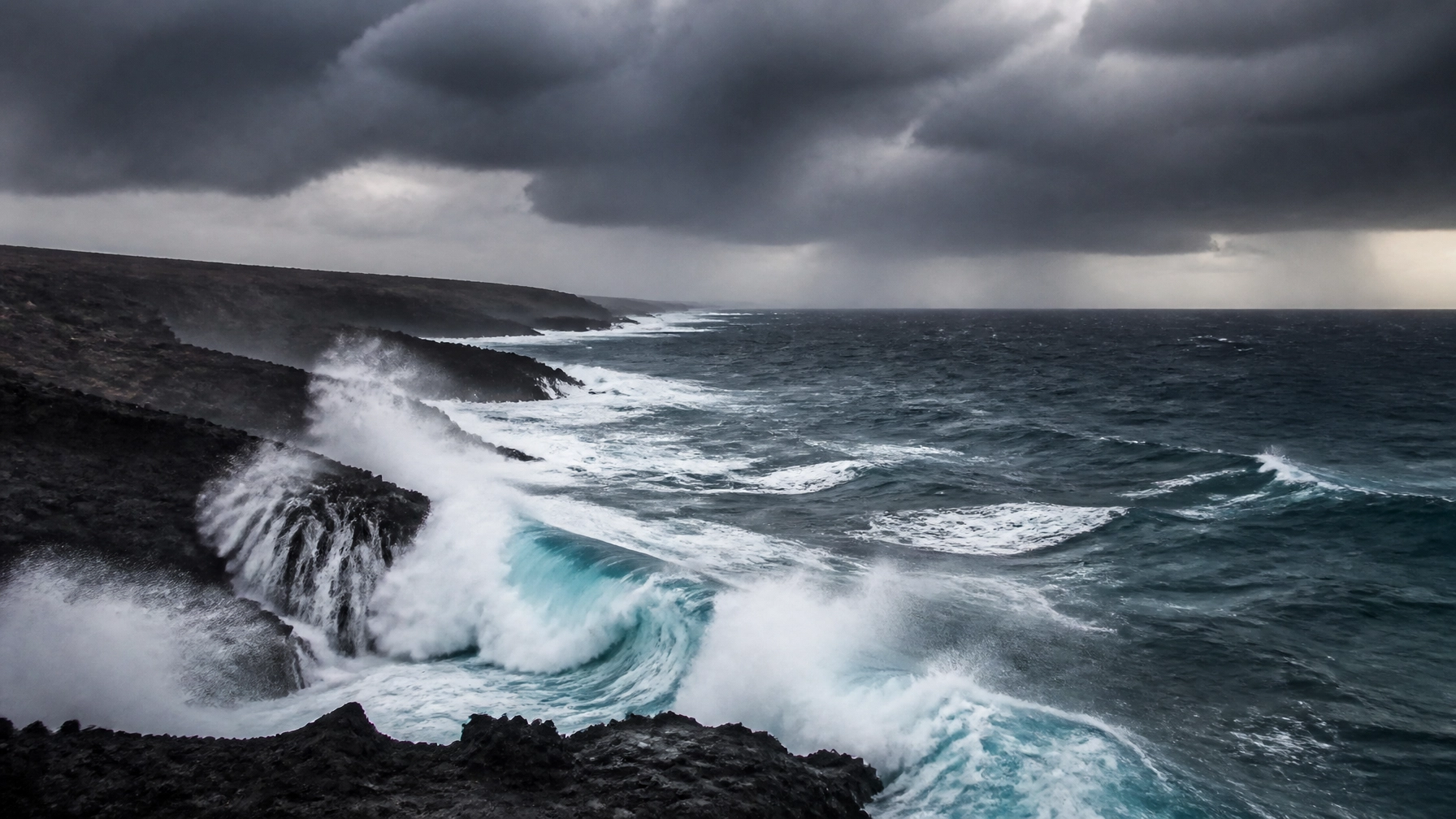
Analyze the weather patterns in the Canary Islands, which are famously stable, earning the archipelago the title of the "Islands of Eternal Spring." Recognize that March 2026 defied every historical norm. Track how Storm Therese, a powerful meteorological anomaly, swept across the islands with a ferocity that caught travelers and residents alike off guard—shaking the tourism industry and testing the resilience of property management systems across the region.
Assess the immediate impact from the snow-capped peak of Mount Teide to the wind-battered coasts of Lanzarote. Recognize that for property owners and managers, the storm was not just a weather event—it was a logistical challenge that touched everything from physical safety to mandatory legal compliance.
The Anomaly of March 2026
Review how meteorologists have already classified March 2026 as the wettest in several decades. Note that while the islands usually enjoy mild temperatures and minimal rainfall during the spring, Storm Therese delivered a month's worth of precipitation in a single week.
Gather the key statistics surrounding the storm:
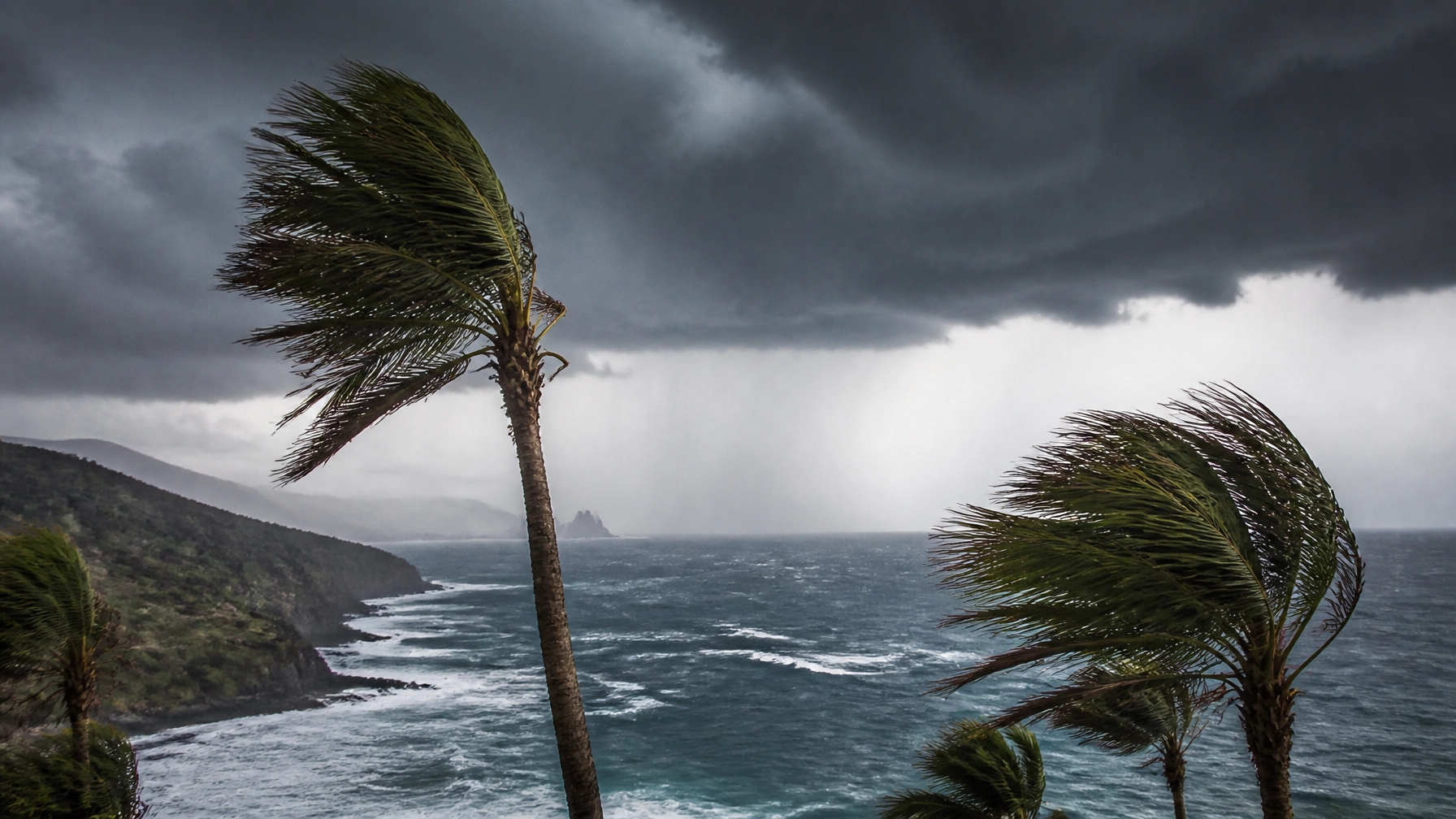
- Extreme Wind Speeds — Sustained winds reached 120km/h, leading to widespread structural damage and the grounding of inter-island transport.
- Unprecedented Snowfall — Mount Teide was buried under heavy snow, forcing the closure of all access roads and the iconic Teide Cable Car for a record duration.
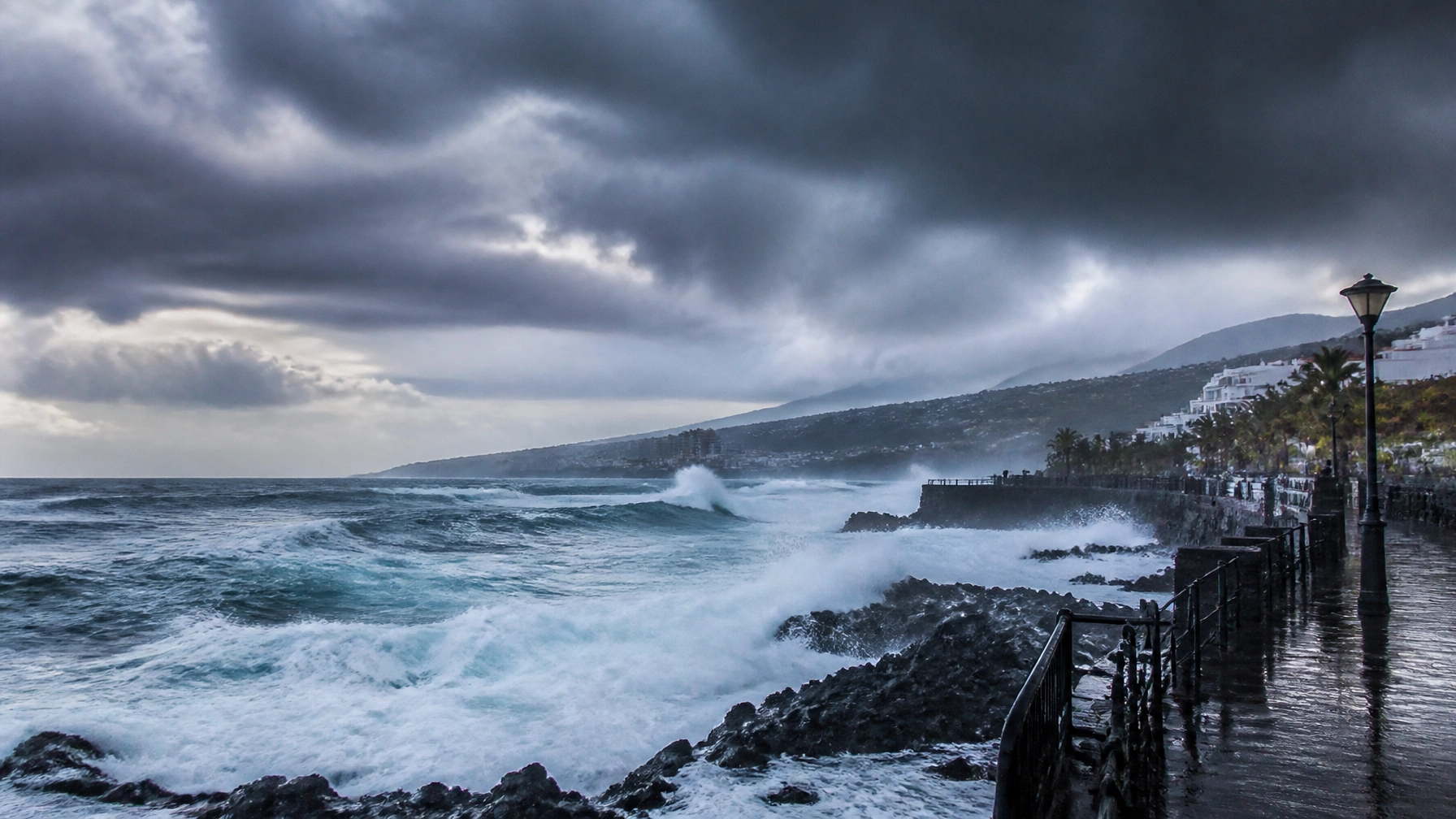
- Torrential Rainfall — Low-lying areas in Gran Canaria and Tenerife experienced significant flooding—transforming peaceful streets into temporary waterways.
Aviation Paralysis and Guest Delays
Track the most visible impact on tourism at the islands' international gateways. Note that the intensity of the winds and visibility issues forced hundreds of flight cancellations and diversions. Observe that Lanzarote and Tenerife North were particularly hard hit—diverting flights as far as Fuerteventura or even the Spanish mainland.
Recognize what this meant for tourists—hours of uncertainty in overcrowded terminals. Prepare for what it meant for property owners—a wave of "no-shows" and "late-shows" that required immediate attention. Understand that when guests are delayed by 24 to 48 hours, the standard registration protocols often fall into disarray. Manage these delays effectively to maintain property management compliance in Spain, as authorities require accurate arrival data regardless of the cause of the delay.
The Silence of Maspalomas: Event Cancellations
Consider one of the most significant cultural blows—the cancellation of the Maspalomas Carnival. Recall that the 2026 event, known as one of the largest and most vibrant celebrations in the world, was expected to draw hundreds of thousands of visitors to the south of Gran Canaria.
Follow the sequence after the state of emergency declaration. Accept that authorities had no choice but to call off the main parades and street parties. Understand that this decision, while necessary for public safety, led to a surge in last-minute accommodation cancellations.
Balance customer service with financial viability—navigating refund policies while dealing with the physical maintenance of properties during the deluge.
Maintaining Compliance During Disruptions
Keep administrative priorities in view during a natural disaster. Acknowledge that tasks like guest registration in Spain might seem secondary to physical safety. Remember, however, that the legal requirements for SES Hospedajes remain in effect even during extreme weather events.
Understand the legal baseline. Spanish law mandates that every guest over the age of 14 must be registered with the authorities within 24 hours of their arrival. Prepare for added complexity when a storm like Therese causes flights to be diverted or arrivals to be postponed.
Managing SES Hospedajes Submissions
- Track Real-Time Arrivals — Use automated flight tracking to anticipate when guests will actually reach the property.
- Update Arrival Logs — Ensure the arrival date submitted to the SES Hospedajes portal matches the actual date the guest checked in—not the originally scheduled date.
- Handle Remote Registrations — During storms, in-person check-ins can be dangerous. Utilize digital registration links to allow guests to submit their details safely from their smartphones as soon as they reach the property.
Use a dedicated platform like Guest-Flow to ensure that these registrations are handled correctly—even when you are busy managing property repairs or communicating with stranded travelers. Avoid significant fines for non-compliance, which is the last thing an owner needs after a storm.
Physical Property Management and Safety
Assess the damage beyond the paperwork. Recognize that Storm Therese caused tangible damage to the tourism infrastructure. Note that reports of roof collapses and flooding in prominent hotels—such as the Bahia Principe Fantasia in Tenerife—served as a stark reminder of the power of the storm.
Take proactive steps to mitigate damage and protect guests during such events:
- Conduct Rapid Inspections — As soon as the wind levels allow, check for water ingress, loose tiles, and drainage blockages.
- Clear Communication — Keep guests informed of weather alerts and local government advisories. Suggest they stay indoors if an amber or red alert is in place.
- Document Everything — For insurance purposes and future property management compliance in Spain, take photos of all damage and record all maintenance actions taken during the storm.
The Importance of Digital Resilience
Recognize what Storm Therese taught the Canary Islands tourism industry—the value of digital resilience. Note that owners who relied on manual, paper-based check-in processes found themselves overwhelmed when the storm hit. Compare that with those using integrated efficient villa check-in services, who were able to manage the crisis with much higher efficiency.
Understand the role digital certificates play here. As an approved digital certificate authority, Villa Check In allows owners to manage their legal obligations remotely. Use that flexibility to submit guest data or update property records from any location—ensuring your business remains compliant even if you are physically cut off from your property by road closures or flooding.
Actionable Advice for Future Disruptions
Prepare for the reality that while Storm Therese was an extreme case, weather-related disruptions are an inevitable part of managing property in an island environment. Follow these steps to prepare your business for the next event:
- Automate Guest Registration — Implement a system that generates unique self-registration links for every booking. Remove the need for physical contact during high-wind events.
- Obtain a Digital Certificate — Ensure you have a valid digital certificate to access Spanish government portals like SES Hospedajes. Use it to support simplifying your compliance process.
- Review Insurance Policies — Confirm that your holiday rental insurance covers "acts of God" and loss of income due to event cancellations like the Maspalomas Carnival.
- Develop a Crisis Guide — Create a digital PDF for guests that includes emergency contact numbers, the location of the nearest medical center, and instructions on what to do during a weather alert.
Conclusion
Recognize that Storm Therese was a wake-up call for the Canary Islands. Accept that it proved even in paradise, the climate can be unpredictable and disruptive. Acknowledge, however, that the resilience shown by property owners and the tourism sector has been remarkable.
Prioritize safety and leverage digital tools for SES Hospedajes and general guest registration in Spain to help the industry not only recover but also become more professional and prepared. Ensure your properties are legally registered with a Número de Registro de Alquiler (NRA) and keep your digital infrastructure robust to protect your business from whatever the next season brings.
Take the next step with confidence. Explore how Villa Check In can automate your guest registration and keep you compliant regardless of the weather.